Home Heat pump installation Guide
Air source vs ground source heat pumps
Both take free heat from outside and pump it into your radiators. The difference is where they take it from, and that changes the price, the paperwork and how much garden you lose.
At a glance
| Air source | Ground source | |
|---|---|---|
| Typical installed cost | £11,000 to £16,000 | £15,000 to £35,000 |
| Boiler Upgrade Scheme grant | £7,500 (£9,000 if replacing oil or LPG) | £7,500 (£9,000 if replacing oil or LPG) |
| Typical seasonal efficiency (SCOP) | About 3 to 4 | About 3.5 to 4.5 |
| Outdoor space | A unit about the size of a washing machine | Trenches across a large garden, or a borehole |
| Disruption | Usually 2 to 5 days | Groundworks plus 1 to 2 weeks |
How each one works
An air source heat pump sits outside and draws warmth out of the air with a fan, even on a cold day. A refrigerant absorbs that heat, a compressor raises its temperature, and the heat passes into the water in your heating system.
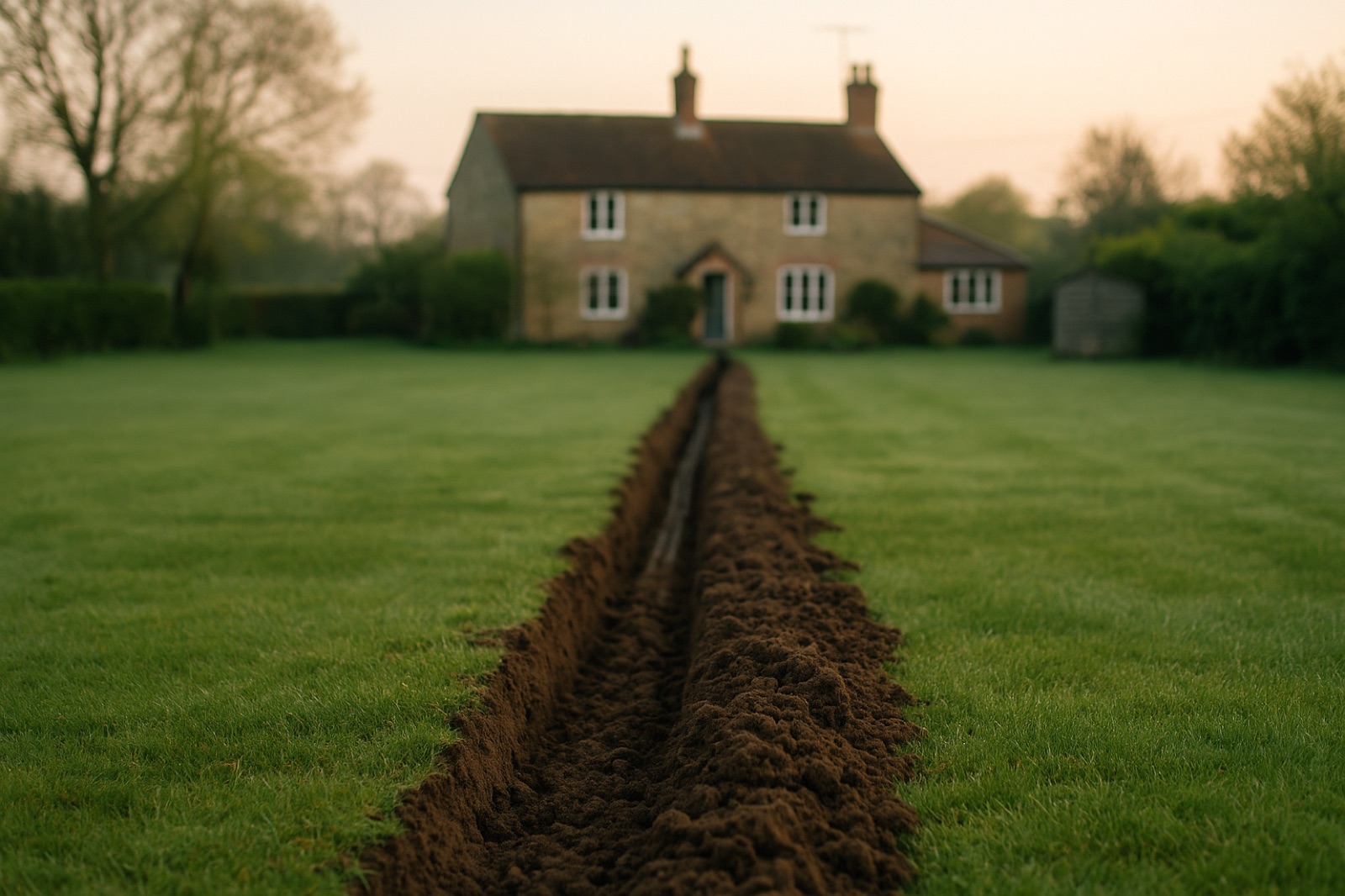
A ground source heat pump does the same job, but collects heat through pipes buried in the ground. They run either flat in trenches about a metre down or straight down a borehole. A metre or two below the surface, UK ground stays at roughly 10 to 12°C all year, so the pump has a steadier source of heat in midwinter than one drawing from frosty air.
What they cost
Air source is far cheaper to fit because there’s no digging. Ground source costs more because of the groundworks: trenches need a big garden, and boreholes need a drilling rig, which is where the price climbs. In England and Wales, the Boiler Upgrade Scheme takes £7,500 off either type (£9,000 if you’re replacing oil or LPG heating, until March 2027), and your installer claims it for you. Government figures put the median air source installation at about £12,900 before the grant: see our heat pump cost guide for the breakdown.
Your radiators matter as much as the heat pump. Heat pumps run best at lower water temperatures, so some rooms may need larger radiators. A good installer works this out room by room in a heat loss survey before quoting.
Running costs and efficiency
Efficiency is measured as SCOP: units of heat out for every unit of electricity in, averaged over a year. A SCOP of 3.5 means 3.5 kWh of heat for each 1 kWh you pay for. Ground source usually scores a little higher because the ground is warmer than winter air, but a well-designed air source system can come close.
How the system is designed matters more than which type you pick. Correctly sized radiators, a low flow temperature and sensible controls make the biggest difference to your bills.
Space, noise and planning
An air source unit needs a spot outside with good airflow, usually against a back or side wall. Its fan makes a steady hum, so placement matters if a neighbour’s bedroom window is close. Many installations count as permitted development, but rules differ across England, Wales and Scotland. Listed buildings and conservation areas normally need permission, so check with your council.
A ground source system is silent outside and hidden once the garden recovers, but it needs either a lot of open ground or a site a drilling rig can reach.
Which should you choose?
- Choose air source if you have a typical house and garden and want the lowest upfront cost. That covers most UK homes.
- Consider ground source if you have plenty of land, you’re off the gas grid with high heating demand, or you’re doing major groundworks anyway.
Questions people ask
Do heat pumps work when it’s below freezing?
Yes. Air source heat pumps keep working well below zero, although they work harder and their efficiency drops on the coldest days. Systems are sized for local winter temperatures.
Can I keep my existing radiators?
Often, yes. Some rooms may need a larger radiator to stay warm at a lower flow temperature. A heat loss survey will show which ones.
How long do they last?
The heat pump unit typically lasts 15 to 20 years. Ground loops last much longer, often 50 years or more.