Home Damp and mould removal Liverpool
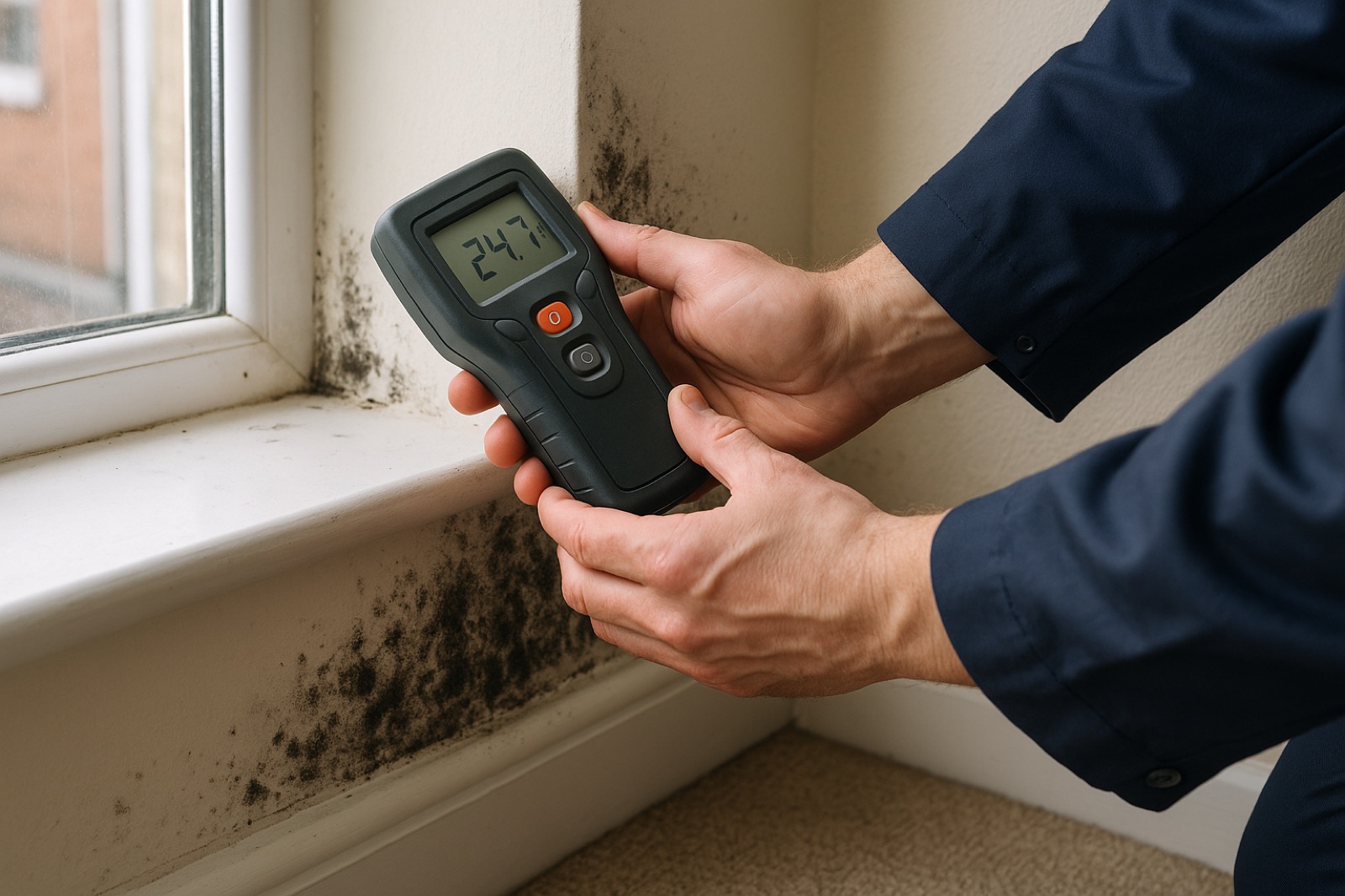
Mould removal and damp treatment in Liverpool
We pass your request to damp and mould specialists who cover Liverpool and can find what's causing it.
Liverpool's mix of old terraced housing and a damp maritime climate makes mould a common problem. Solid brick walls, suspended timber floors and rooms heated only part of the day all create cold surfaces where condensation settles.
More than half of the city's households rent, so knowing who is responsible matters as much as the fix.
Liverpool at a glance
- Terraced homes
- 37.9% of Liverpool households (78,552) live in a terraced house, against 30.7% in semis and 8.2% in detached homes. Source
- Flats
- About 23.2% of households live in a flat: 17.2% in purpose-built blocks and 3.9% in converted or shared houses, with the rest in converted buildings or above shops. Source
- Tenure
- 46.8% of households own their home, 26.1% rent privately and 26.4% rent social housing, most of it (21.9% of all households) from housing associations rather than the council. Source
- Local grant
- Liverpool City Council was awarded £5.8m of Warm Homes: Local Grant funding to improve about 450 homes over three years. Year two (April 2026 to March 2027) is oversubscribed; interest can be registered for year three from April 2027. Source
- Damp rules for social tenants
- From 27 October 2025, social landlords must investigate significant damp and mould hazards within 10 working days and start safety work within 5 working days of the investigation ending. Source
Housing association tenants
About 22% of Liverpool households rent from a housing association. Under Awaab's Law, your landlord must investigate significant damp and mould within 10 working days of being told and begin safety work within 5 working days of the investigation. Report in writing and include photos.
Renting from a private landlord
Private landlords must fix damp caused by disrepair, such as leaking gutters or broken extractor fans. If they don't, contact Liverpool City Council's private sector housing team.
Fixing the cause
Condensation needs better heating and ventilation. Penetrating damp needs the building repaired. Our guides on window condensation and removing mould from walls cover what you can do yourself.
What a damp survey should tell you
A proper survey identifies whether the moisture comes from inside the home or outside, and where. It should check guttering, pointing, ground levels outside, air bricks and any leaks before recommending treatment.
Be wary of anyone who diagnoses rising damp in a Victorian terrace and recommends a chemical damp-proof course without checking those causes. Many cases turn out to be condensation or a leak.
Liverpool homes and what they need
Victorian and Edwardian red-brick terraces
Blocked air bricks and raised outside ground levels cause damp in terraces. Clear them before paying for chemical treatments.
Interwar and post-war semis
Mould in bedroom corners often means cold spots where loft insulation is missing at the eaves.
City-centre apartments and converted houses
Converted flats can have poor ventilation and shared walls. Mould around windows often means trickle vents are closed or missing.
Areas covered
Engineers who cover Liverpool work across areas including Anfield, Walton, Wavertree, Allerton, Childwall, West Derby, Aigburth, Woolton, Garston and Toxteth.
Questions people in Liverpool ask
Is black mould dangerous?
It can harm health, especially for children and people with breathing problems. Don't ignore it.
Can I clean mould off walls myself?
Small patches, yes. Wear gloves and a mask, use a mould remover rather than bleach on porous surfaces and dry the area well afterwards. If it returns within weeks, the cause still needs fixing.
Does opening windows really help in winter?
Ten minutes with windows open after cooking or showering clears moist air quickly without losing much heat from walls and furniture.
Will a damp-proof course stop condensation?
No. A damp-proof course deals with moisture rising from the ground. Condensation comes from moist air indoors and needs heating and ventilation instead.
Sources
Also nearby: Damp and mould removal in Warrington, Damp and mould removal in Manchester, Damp and mould removal in Preston, Damp and mould removal in Bolton